Ethical Practices
Every bird is raised with transparency, care, and responsible standards.

Healthy & Socialised Birds
Our birds are nurtured in structured, interactive environments.
Australia-Wide Support
We assist bird owners across Australia with guidance and safe arrangements.

Ongoing Advice & Care
We remain available to provide support even after placement.

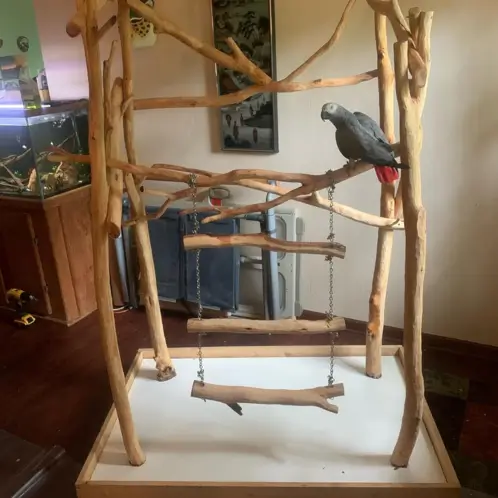
Adopting from WPBS was a breath of fresh air. Unlike other breeders, they were more concerned with the bird's future environment than the sale. Their ethical breeding standards are evident in the temperament and health of my African Grey. It’s clear they prioritize the bird's well-being above all else.

Finding a sanctuary that truly offers lifelong care is rare. We partnered with Wandong Private Bird Sanctuary for a rescue placement, and the level of compassion they showed was incredible. They provide a dignified, enriched environment for birds that have nowhere else to go. WPBS is a gold standard in the avian community.

The team at WPBS didn't just give me a pet; they gave me an education. Their responsible adoption process included a thorough walkthrough of nutrition and behavioral needs. Knowing that my bird came from an ethical background gives me peace of mind. I wouldn't go anywhere else for avian advice or adoption.
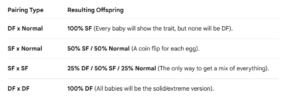
Split means that although the bird may not show a dominance to a specific breed, it carries that gene. For example a rainbow hen and a blue fronted lorikeet cock have a baby. The baby looks exactly like the rainbow hen mother however it would be considered split to blue front. A pied bird will display spots of an alternate colour for example a green indian ringneck hen and a violet indian ringneck cock produce young which are all green with violet spots of colour on their back and wings. The amount of mutant genes a bird receives for a certain trait is referred to as the single factor (SF) or double factor (DF). A DF bird has two mutated genes, which causes a noticeable visual difference, whereas an SF bird has one and exhibits partial markings. Hens can only be single factors in certain mutations, such as pastel, although cocks can be either single or double factors.
The following chart may asist you.
A Fallow, a distinctive mutation in which the bird's typical black pigment is substituted. The mutation known as Fallow is recessive. This implies that for a bird to display these colours, the gene must be inherited from both parents. If it is "split" (carrying) the Fallow gene, it appears to be an entirely normal bird. Fallows are distinguished by their ruby-red or bright red eyes, which contrast with the black eyes of other birds. Instead of being black, their throat spots and wing markings are medium brown. They frequently appear more yellow or white because their overall body colour, which is either green or blue, is diluted to roughly 50% intensity. The cocks (males) have a purple/pink cere (the skin above the beak) for the duration of their life, and they usually have pink legs and feet.
Mutations refer to colour, for example a DF rainbow hen and a Pied mustard cock have a clutch of young which all display different colours not normal colourations of a single breed such as a rainbow lorikeet. These colours are unique to that particular bird and have been developed due to the liniage of both parents, no other bird will look like this.
Plants toxic to birds, Fruit and vegetables such as tomato, mushrooms, avocados, onions, and garlic. Products containing lactose such as cheese, chocolate, caffeine, alcohol, apple pips, and tobacco.
YouTube is a great resource for videos on training and general behaviors of birds.
For the safety and security of our birds we are not open to the public, access is via invitation only.
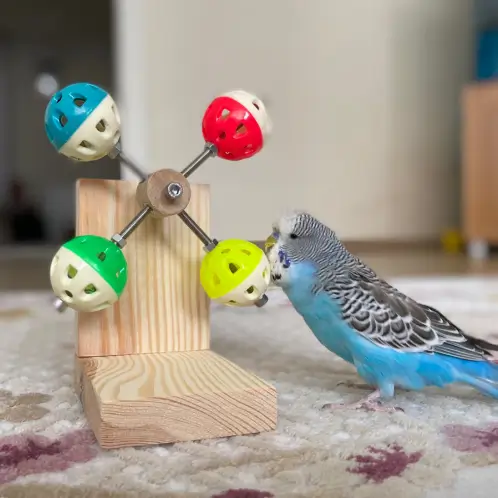
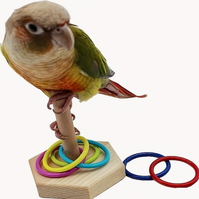
The more time you spend with your bird, the closer the bond. Consider stimulated play toys and cage toys. Encourage harness use and take your bird with you when you travel. Have removable perches in the house where you spend most of your time such as kitchen, lounge, bedroom or bathroom. The following products are available in our store.
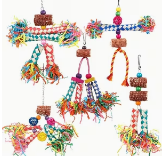
5pcs Bird Chewable Shredding Paper Toy for cages
$25.00
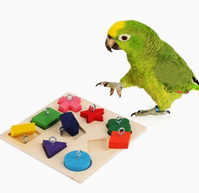
Interactive Wooden Puzzle Toys for Birds
$17.00
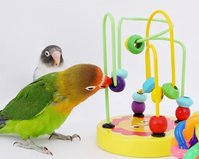
Wooden Parrot Puzzle Toy, Durable Chew-Resistant Wood
$15.00
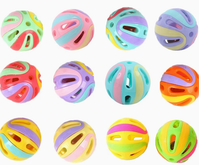
Parrot Interactive Rattle Toy Balls - Rolling Sound Balls That Help Pets Develop Their Auditory Localization And Trajectory Prediction Skills
$2.00 each
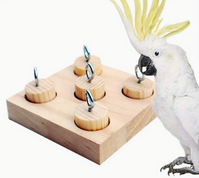
Parrot Training Toy
$12.00
Wood Bird Chew Ball & Training Toy
$15.00